
 Deutsch
 Español
What Is Photosynthesis? And why is the most important thing on earth?
Search in blog
Blog categories
Latest posts
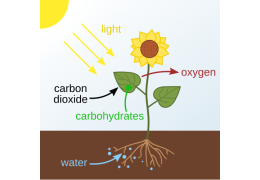
What Is Photosynthesis? And why is the most important thing on earth?
Read more

Irrigation method with lightmix (peat based substrate) + GHF Bioline (peat based substrate)
Read more
How to optimize your irrigation when using peat based substrate and organic dry amendment like our Bioline ?
What is VPD ?
Read more
VPD controls how much water the plant loses, which controls cooling, nutrient uptake, stomatal behaviour, and...
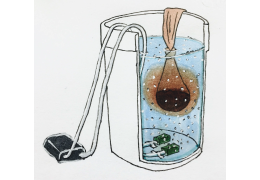
Extra mineral aerated compost tea
Read more
Extra mineral aerated compost tea (calcium and trace element)
Popular posts
What is VPD ?
VPD controls how much water the plant loses, which controls cooling, nutrient uptake, stomatal behaviour, and...
Read more
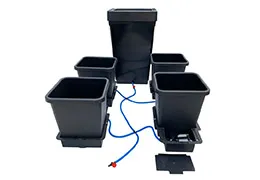
How to use autopot with Greenhouse Feeding mineral line
How to use autopot with Greenhouse Feeding mineral line
Read more

Featured posts
What Is Photosynthesis? And why is the most important thing on earth?
What Is Photosynthesis? And why is the most important thing on earth?
Read more
Irrigation method with lightmix (peat based substrate) + GHF Bioline (peat based substrate)
How to optimize your irrigation when using peat based substrate and organic dry amendment like our Bioline ?
Read more
What is VPD ?
VPD controls how much water the plant loses, which controls cooling, nutrient uptake, stomatal behaviour, and...
Read more
Extra mineral aerated compost tea
Extra mineral aerated compost tea (calcium and trace element)
Read more
Enhancer
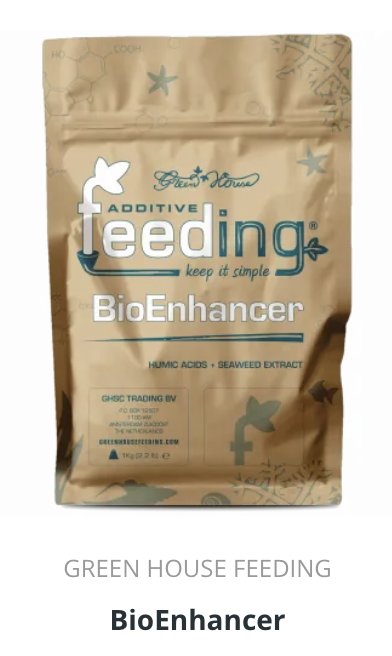
What does Enhancer do?
- Improves the absorption of fertilizers.
- Stimulates the development of roots and micro-organisms.
- Improves seed germination.
- Increases the water retention capacity of the soil.
- Helps reduce salt accumulation in the soil.
- Increases soil aeration and improves soil quality.
- Strengthens the defense mechanism of plants.
- Protects against the attacks of pathogenic fungi such as Phytophthora, Pythium. Rhizoctonia and Fusarium.
- Promotes microbial life in the soil.
What are the ingredients in Enhancer and what do they do?
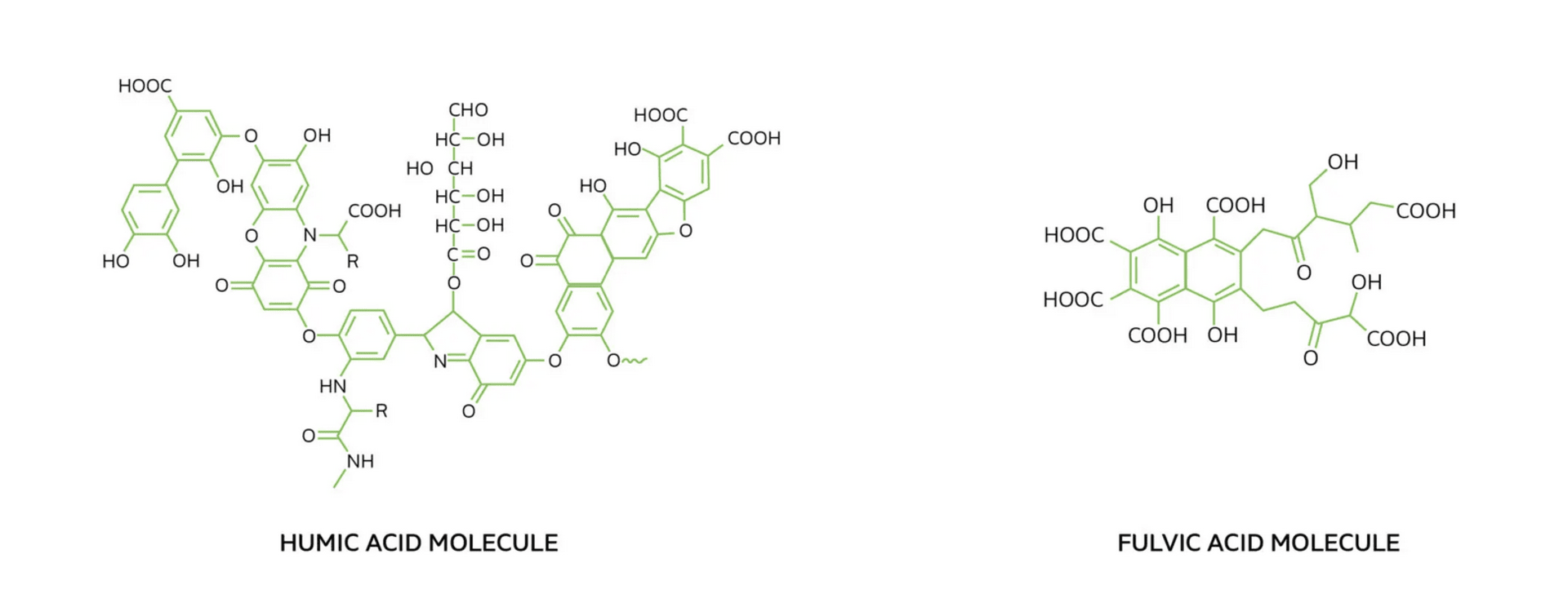
Humic acids and fulvic acids
Seaweed extract (Ascophyllum nodosum)
Bacillus Amyloliquefaciens
Trichoderma Harzianum
Humic acids:
Humic acids are complex molecules that exist naturally in soil, peat, oceans and freshwater.
The main source of humic acids is Leonardite, which acts as a soil conditioner, biocatalyst and bio stimulant.
The benefits of humic acids are as follows:
- They chelate nutrient compounds, thus optimizing nutrient supply.
- They increase the water retention capacity of the soil
- They fix insoluble metal ions, oxides and hydroxides and slowly release them to plants when needed.
Humic acids have three types of effects: 1. Physical 2. Chemical 3. Biological
Physical:
- Prevents soil erosion
- Increases soil aeration
- Increases the water retention capacity of the soil
Chemical :
- Regulates soil pH
- Optimizes nutrient and water absorption
- Increases buffering properties
- Acts as a natural chelator of metal ions and promotes their absorption by the roots
- Retains water soluble inorganic fertilizers in the root zones
- Promotes the conversion of nutrients into forms available to plants.
Organic :
- Stimulates the production of plant enzymes
- Stimulates the growth of desirable micro-organisms.
- Enhances natural resistance to diseases and pests
- Stimulates root growth
- Promotes the development of chlorophyll, sugars and amino acids.
- Thickens cell walls
- Increases germination and viability of seeds
- Stimulates plant growth (higher biomass production) --andgt; increases yield.
Fulvic acids:
Fulvic acids are similar to humic acids but are more biologically active than humic acids.
Advantages:
- Carry a high number of minerals and trace elements
- Stimulates cation exchange, which optimizes nutrient absorption.
- Stimulates plant metabolism and increases cell division.
- Helps in the synthesis of chorophyll
- Acts as a natural detoxifier for many common pollutants.
Publication:
Organic matter, humus, humates, humic acid, fulvic acid and humin – Their importance in soil fertility and plant health
Dr. Robert E. Pettit – emeritus associate professor Texas Aandamp;M University
humates.com/wp-content/uploads/2020/04/ORGANICMATTERPettit.pdf
https://scienceinhydroponics.com/2017/09/humic-acids-in-hydroponics.html
Seaweed Extract:
Seaweed extract contains all the trace elements, amino acids and phytohormones.
Amino acids : Alanine, Aspartic acid, Glutamic acid, Gycine, Isoleucine, Leucine, Lysine, Methionine, Phenylalanine, Proline, Tyrosine, Valine, Tryptophan.
Phytohormones: Auxins, cytokines, gibberellins, abscisic acid and ethylene.
Benefits:
- Acts as a soil conditioner
- Promotes strong and vigorous root development
- Improves seed germination rate
- Applied as a foliar spray 1 to 2 days before cutting, it produces stronger clones.
- Provides natural hormones and nutrients to the plant
- Promotes the formation of betaines under stress, which promotes osmosis in the plants and the absorption of nutrients to stimulate the plants and overcome stress.
Bacillus Amyloliquefaciens :
Bacillus Amyloliquefaciens is considered a root-colonizing biocontrol bacterium and is used to control certain plant root pathogens in agriculture, aquaculture and hydroponics. It can be used indoors, outdoors and in greenhouses.
Bacillus amyloliquefaciens attaches itself to the zone close to the roots, the rhizosphere. It is a symbiosis. The bacterium feeds on the root exudates produced by the plant. In return, it secretes growth metabolites, which are absorbed by the roots ("PGPR" effect, Plant Growth Promoting Rhizobacteria) and solubilizes phosphorus. These contribute to a better performance of the crop. It is the secretion of phytases by the Bacillus that allows a better solubilization.
Trichoderma Harzianum:
Trichoderma harzianum T-22 is a beneficial fungal species widely utilized in agriculture and horticulture due to its multiple advantageous properties. This fungus is renowned for promoting plant growth, improving plant health, and protecting against various diseases. It colonizes plant roots and the surrounding soil, where it competes with harmful pathogens for space and nutrients, effectively reducing their presence. Moreover, T. harzianum produces enzymes and bioactive compounds that inhibit plant pathogens such as fungi, bacteria, and nematodes. Commonly used as a biocontrol agent, it helps safeguard crops from soil-borne diseases, enhances nutrient absorption, and boosts overall plant vitality. Its broad efficacy and adaptability make it an essential component of sustainable agriculture and integrated pest management systems.
Posted in:
BIO NUTRIENTS

Leave a comment
Log in to post comments