

 English
 Español
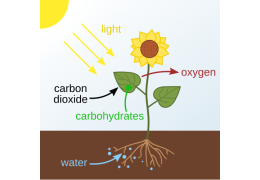
What Is Photosynthesis? And why is the most important thing on earth?
Suche im Blog
Blog-Kategorien
Neueste Beiträge
What Is Photosynthesis? And why is the most important thing on earth?
Read more

Irrigation method with lightmix (peat based substrate) + GHF Bioline (peat based substrate)
Read more
How to optimize your irrigation when using peat based substrate and organic dry amendment like our Bioline ?
Was bedeutet das VPD ?
Read more
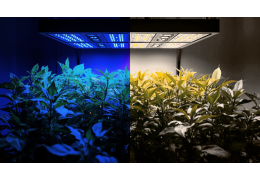
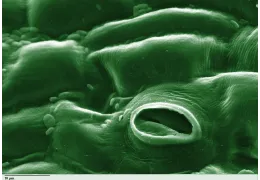
VPD steuert, wie viel Wasser die Pflanze verliert – und damit Kühlung, Nährstoffaufnahme, das Verhalten der Stomata...
Belüfteter Komposttee mit zusätzlichen Mineralien
Read more
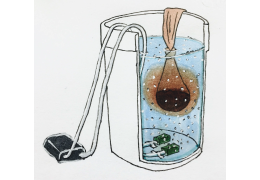
Belüfteter Komposttee – Extra Mineralien: Calcium & Spurenelemente
Beliebte Beiträge
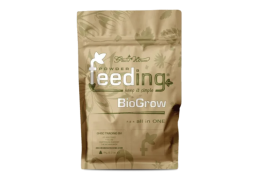
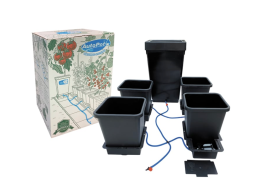
Wie verwendet man AutoPot mit der Green House Feeding BioLine!
AutoPot-System mit Green House Feeding BioLine
Read more
Was bedeutet das VPD ?
VPD steuert, wie viel Wasser die Pflanze verliert – und damit Kühlung, Nährstoffaufnahme, das Verhalten der Stomata...
Read more
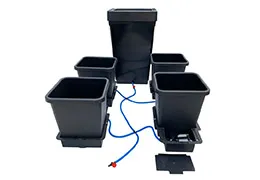
Wie verwendet man AutoPot mit der Greenhouse-Feeding-Mineral-Linie?
Wie verwendet man AutoPot mit der Greenhouse-Feeding-Mineral-Linie?
Read more

Gekennzeichnet Beiträge
What Is Photosynthesis? And why is the most important thing on earth?
What Is Photosynthesis? And why is the most important thing on earth?
Read more
Irrigation method with lightmix (peat based substrate) + GHF Bioline (peat based substrate)
How to optimize your irrigation when using peat based substrate and organic dry amendment like our Bioline ?
Read more
Was bedeutet das VPD ?
VPD steuert, wie viel Wasser die Pflanze verliert – und damit Kühlung, Nährstoffaufnahme, das Verhalten der Stomata...
Read more
Belüfteter Komposttee mit zusätzlichen Mineralien
Belüfteter Komposttee – Extra Mineralien: Calcium & Spurenelemente
Read more
Enhancer
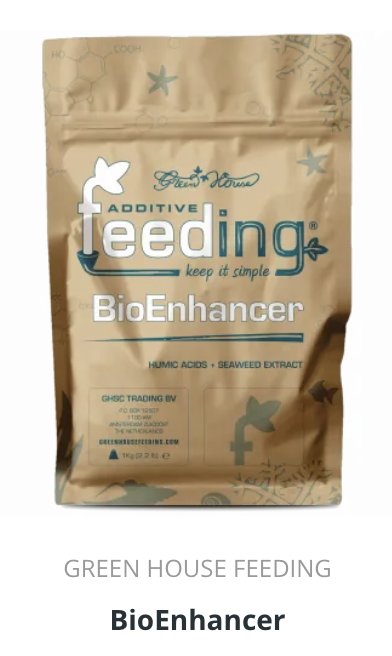
Was bewirkt Enhancer?
- Verbessert die Aufnahme von Düngern.
- Stimuliert die Entwicklung von Wurzeln und Mikroorganismen.
- Verbessert die Keimung von Samen.
- Erhöht die Wasserspeicherfähigkeit des Bodens.
- Hilft, die Salzansammlung im Boden zu reduzieren.
- Erhöht die Bodenbelüftung und verbessert die Bodenqualität.
- Stärkt den Abwehrmechanismus der Pflanzen.
- Schützt vor Angriffen pathogener Pilze wie Phytophthora, Pythium, Rhizoctonia und Fusarium.
- Fördert das mikrobielle Leben im Boden.
Welche Inhaltsstoffe sind in Enhancer enthalten und was bewirken sie?
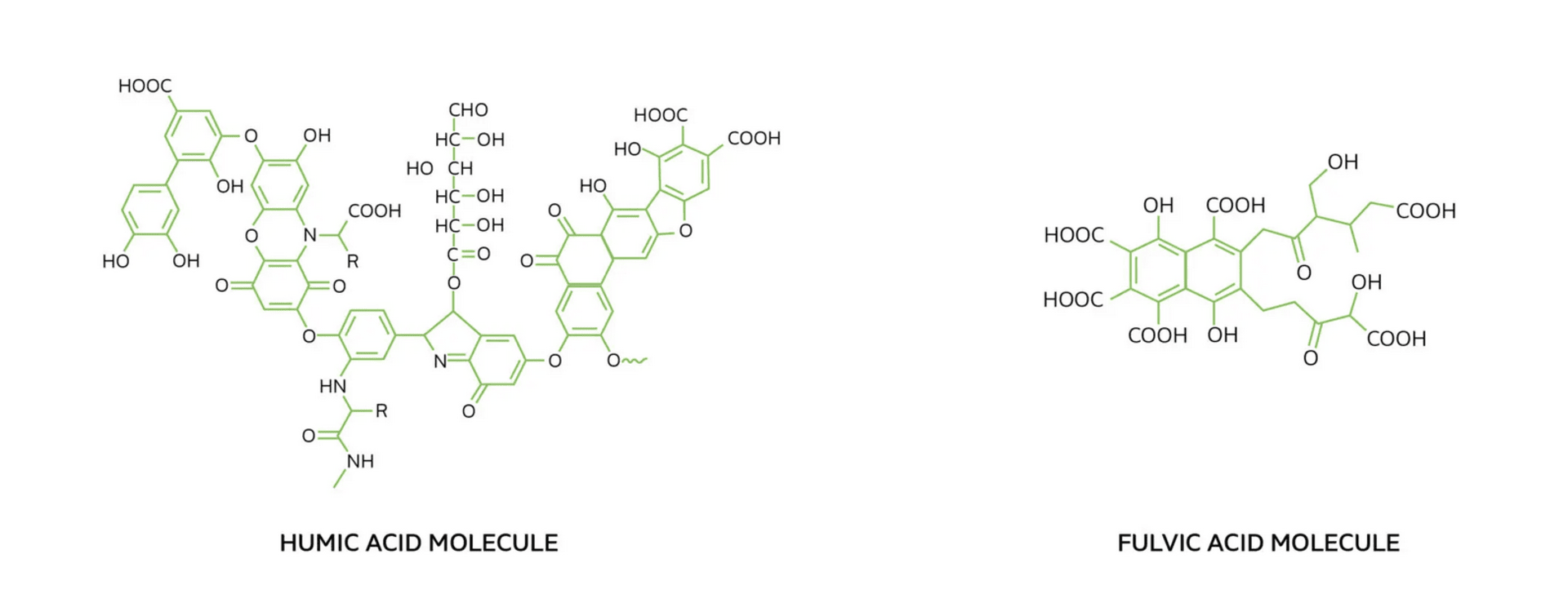
Huminsäuren und Fulvosäuren
Algenextrakt (Ascophyllum nodosum)
Bacillus Amyloliquefaciens
Trichoderma Harzianum
Huminsäuren:
Huminsäuren sind komplexe Moleküle, die natürlicherweise in Böden, Torf, Ozeanen sowie in Süßwasser vorkommen.
Die Hauptquelle von Huminsäuren ist Leonardit, der als Bodenverbesserer, Biokatalysator und Biostimulans wirkt.
Die Vorteile von Huminsäuren sind folgende:
- Sie chelatieren Nährstoffverbindungen und optimieren dadurch die Nährstoffversorgung.
- Sie erhöhen die Wasserspeicherfähigkeit des Bodens
- Sie binden unlösliche Metallionen, Oxide und Hydroxide und setzen sie bei Bedarf langsam für die Pflanzen frei.
Huminsäuren haben drei Wirkungsarten: 1. Physikalisch 2. Chemisch 3. Biologisch
Physikalisch:
- Verhindert Bodenerosion
- Erhöht die Bodenbelüftung
- Erhöht die Wasserspeicherfähigkeit des Bodens
Chemisch :
- Reguliert den pH-Wert des Bodens
- Optimiert die Aufnahme von Nährstoffen und Wasser
- Erhöht die Pufferkapazität
- Wirkt als natürlicher Chelator von Metallionen und fördert deren Aufnahme über die Wurzeln
- Hält wasserlösliche anorganische Dünger im Wurzelbereich zurück
- Fördert die Umwandlung von Nährstoffen in für Pflanzen verfügbare Formen.
Biologisch :
- Stimuliert die Produktion pflanzlicher Enzyme
- Stimuliert das Wachstum erwünschter Mikroorganismen.
- Stärkt die natürliche Widerstandskraft gegen Krankheiten und Schädlinge
- Stimuliert das Wurzelwachstum
- Fördert die Bildung von Chlorophyll, Zuckern und Aminosäuren.
- Verdickt Zellwände
- Erhöht Keimfähigkeit und Vitalität von Samen
- Stimuliert das Pflanzenwachstum (höhere Biomasseproduktion) --andgt; erhöht den Ertrag.
Fulvosäuren:
Fulvosäuren sind Huminsäuren ähnlich, jedoch biologisch aktiver als Huminsäuren.
Vorteile:
- Transportieren eine große Anzahl an Mineralien und Spurenelementen
- Stimulieren den Kationenaustausch, was die Nährstoffaufnahme optimiert.
- Stimulieren den Pflanzenstoffwechsel und erhöhen die Zellteilung.
- Helfen bei der Synthese von Chlorophyll
- Wirken als natürlicher Entgifter für viele gängige Schadstoffe.
Publikation:
Organische Substanz, Humus, Humate, Huminsäure, Fulvosäure und Humin – ihre Bedeutung für Bodenfruchtbarkeit und Pflanzengesundheit
Dr. Robert E. Pettit – emeritierter außerordentlicher Professor Texas Aandamp;M University
humates.com/wp-content/uploads/2020/04/ORGANICMATTERPettit.pdf
https://scienceinhydroponics.com/2017/09/humic-acids-in-hydroponics.html
Algenextrakt:
Algenextrakt enthält alle Spurenelemente, Aminosäuren und Phytohormone.
Aminosäuren: Alanin, Asparaginsäure, Glutaminsäure, Glycin, Isoleucin, Leucin, Lysin, Methionin, Phenylalanin, Prolin, Tyrosin, Valin, Tryptophan.
Phytohormone: Auxine, Cytokinine, Gibberelline, Abscisinsäure und Ethylen.
Vorteile:
- Wirkt als Bodenverbesserer
- Fördert eine starke und kräftige Wurzelentwicklung
- Verbessert die Keimrate von Samen
- Als Blattspray 1 bis 2 Tage vor dem Schneiden angewendet, entstehen stärkere Klone.
- Liefert natürliche Hormone und Nährstoffe für die Pflanze
- Fördert die Bildung von Betainen unter Stress, was die Osmose in den Pflanzen und die Aufnahme von Nährstoffen unterstützt, um die Pflanzen zu stimulieren und Stress zu überwinden.
Bacillus Amyloliquefaciens :
Bacillus Amyloliquefaciens gilt als wurzelkolonisierendes Biokontroll-Bakterium und wird zur Bekämpfung bestimmter Wurzelpathogene in Landwirtschaft, Aquakultur und Hydroponik eingesetzt. Es kann im Innenbereich, im Freien und in Gewächshäusern verwendet werden.
Bacillus amyloliquefaciens heftet sich an die Zone nahe der Wurzeln, die Rhizosphäre. Es handelt sich um eine Symbiose. Das Bakterium ernährt sich von den Wurzelexsudaten, die von der Pflanze produziert werden. Im Gegenzug scheidet es Wachstumsmetabolite aus, die von den Wurzeln aufgenommen werden („PGPR“-Effekt, Plant Growth Promoting Rhizobacteria), und macht Phosphor löslich. Dies trägt zu einer besseren Leistung der Kultur bei. Die Ausschüttung von Phytasen durch Bacillus ermöglicht eine bessere Solubilisierung.
Trichoderma Harzianum:
Trichoderma harzianum T-22 ist eine nützliche Pilzart, die aufgrund ihrer vielen vorteilhaften Eigenschaften широко in der Landwirtschaft und im Gartenbau eingesetzt wird. Dieser Pilz ist dafür bekannt, das Pflanzenwachstum zu fördern, die Pflanzengesundheit zu verbessern und vor verschiedenen Krankheiten zu schützen. Er besiedelt Pflanzenwurzeln und den umgebenden Boden, wo er mit schädlichen Krankheitserregern um Platz und Nährstoffe konkurriert und so deren Auftreten wirksam reduziert. Darüber hinaus produziert T. harzianum Enzyme und bioaktive Verbindungen, die Pflanzenpathogene wie Pilze, Bakterien und Nematoden hemmen. Häufig als Biokontrollmittel eingesetzt, hilft es, Kulturen vor bodenbürtigen Krankheiten zu schützen, verbessert die Nährstoffaufnahme und steigert die allgemeine Vitalität der Pflanzen. Seine breite Wirksamkeit und Anpassungsfähigkeit machen es zu einem wesentlichen Bestandteil nachhaltiger Landwirtschaft und integrierter Pflanzenschutzsysteme.
Veröffentlicht in:
BIO-NÄHRSTOFFE

Hinterlassen Sie einen Kommentar
Melden Sie sich an, um Kommentare zu posten